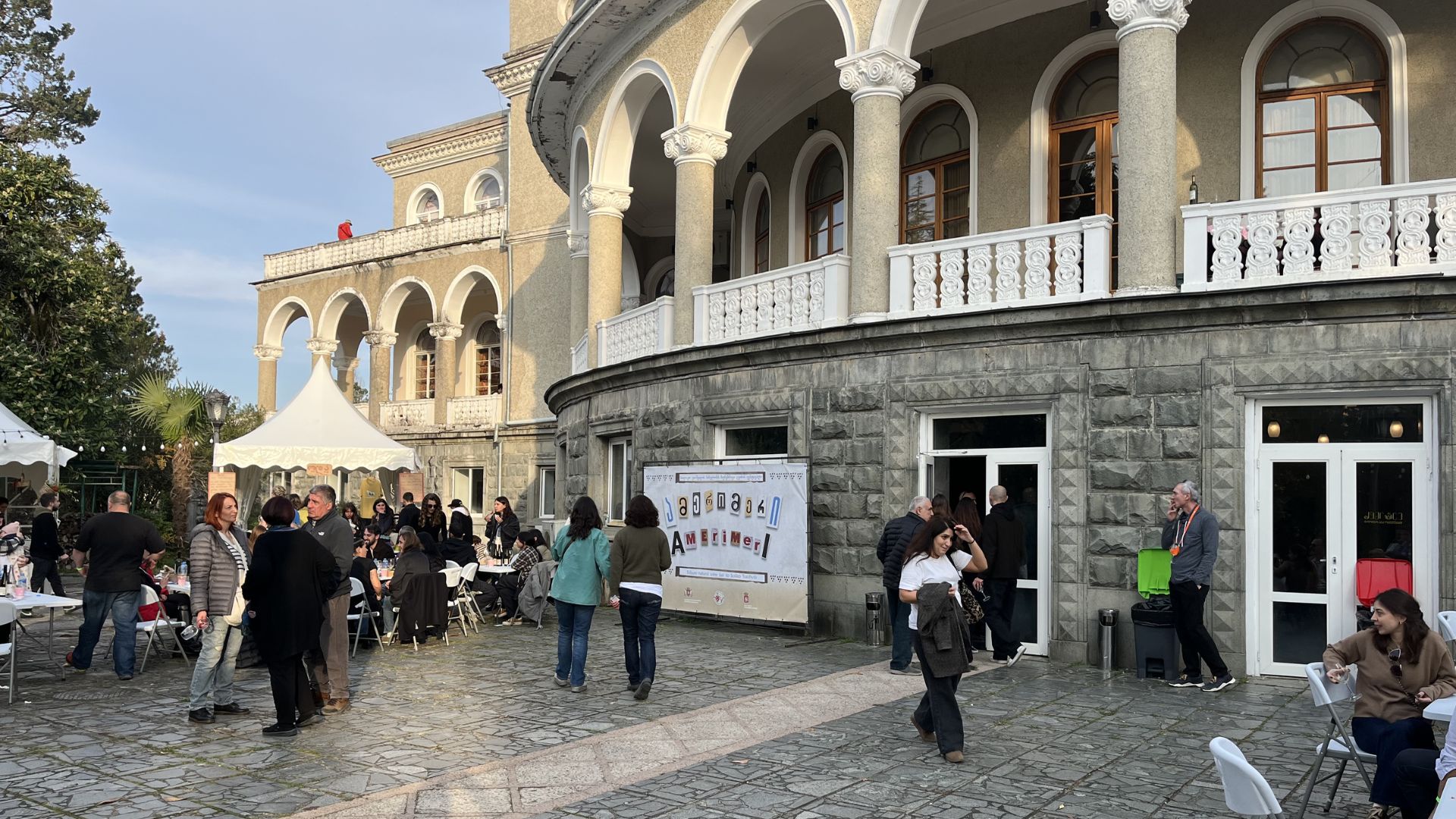

On December 6th 2025, the Legends Tskaltubo Spa Resort hosted the “Amerimeri” Natural Wine Festival. The festival was organized by Natural Wine Association. Its mission is simple but powerful: to bring together natural winemakers from every corner of Georgia and give space to each region’s unique micro-zones and grape identities.
And honestly the weather could not have been better. People wandered between the indoor hall, the open-air terrace, and the field outside, wine glasses in hand, mingling, tasting, debating, laughing.
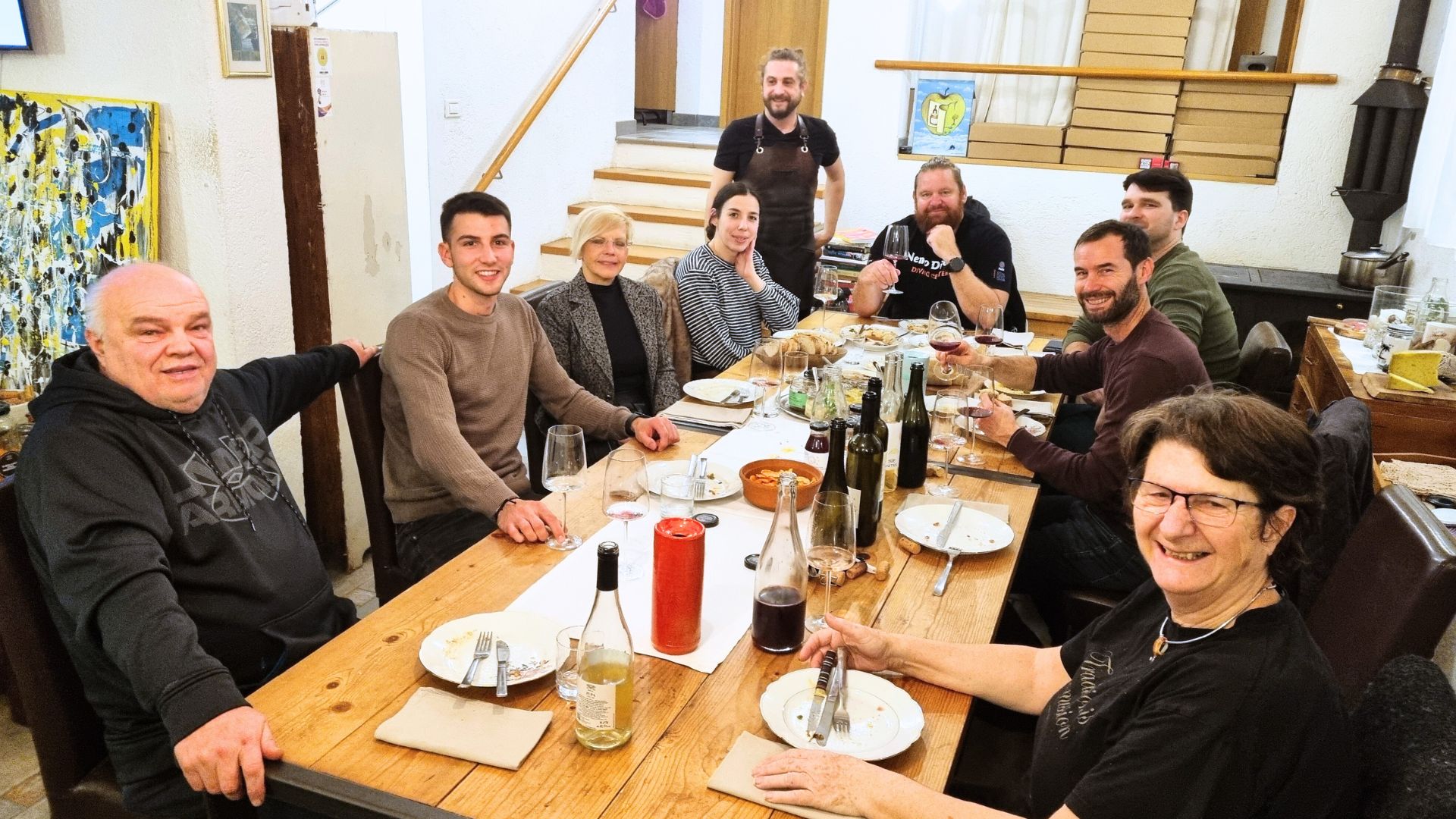
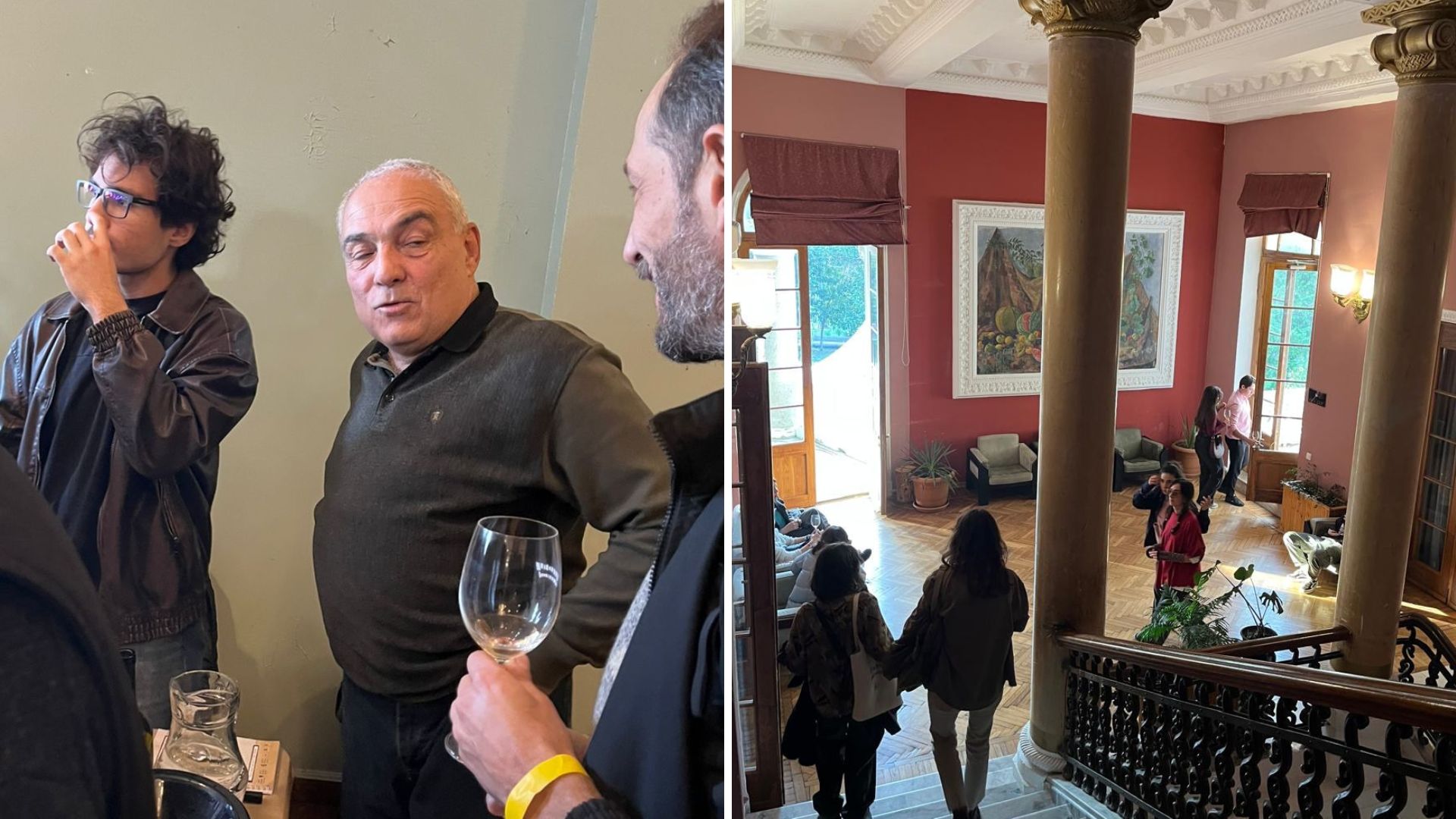
Before I dive in, let me say what struck me most the moment I arrived: Next to many Georgian winemakers stood their children, the next generation, already learning the craft. And around them, foreign partners and friends, showing just how far natural Georgian wine has traveled.
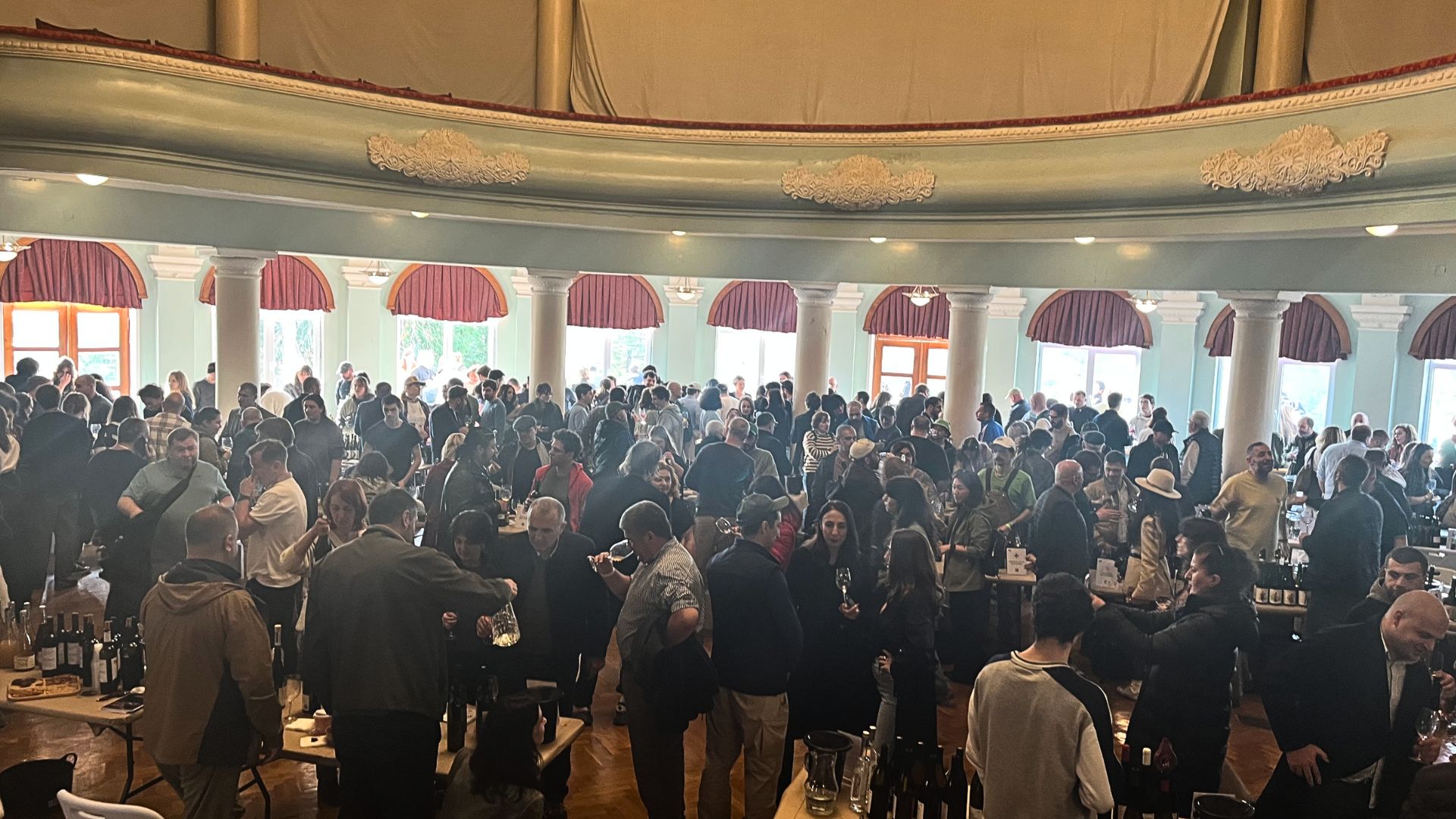
Below are a few producers that made the strongest impression on me, region by region:
Lechkhumi
Here’s a tip I picked up the hard way: if you’re tasting the same grape from different wineries — same style, same technique — always ask two things: the vineyard’s soil and its elevation.
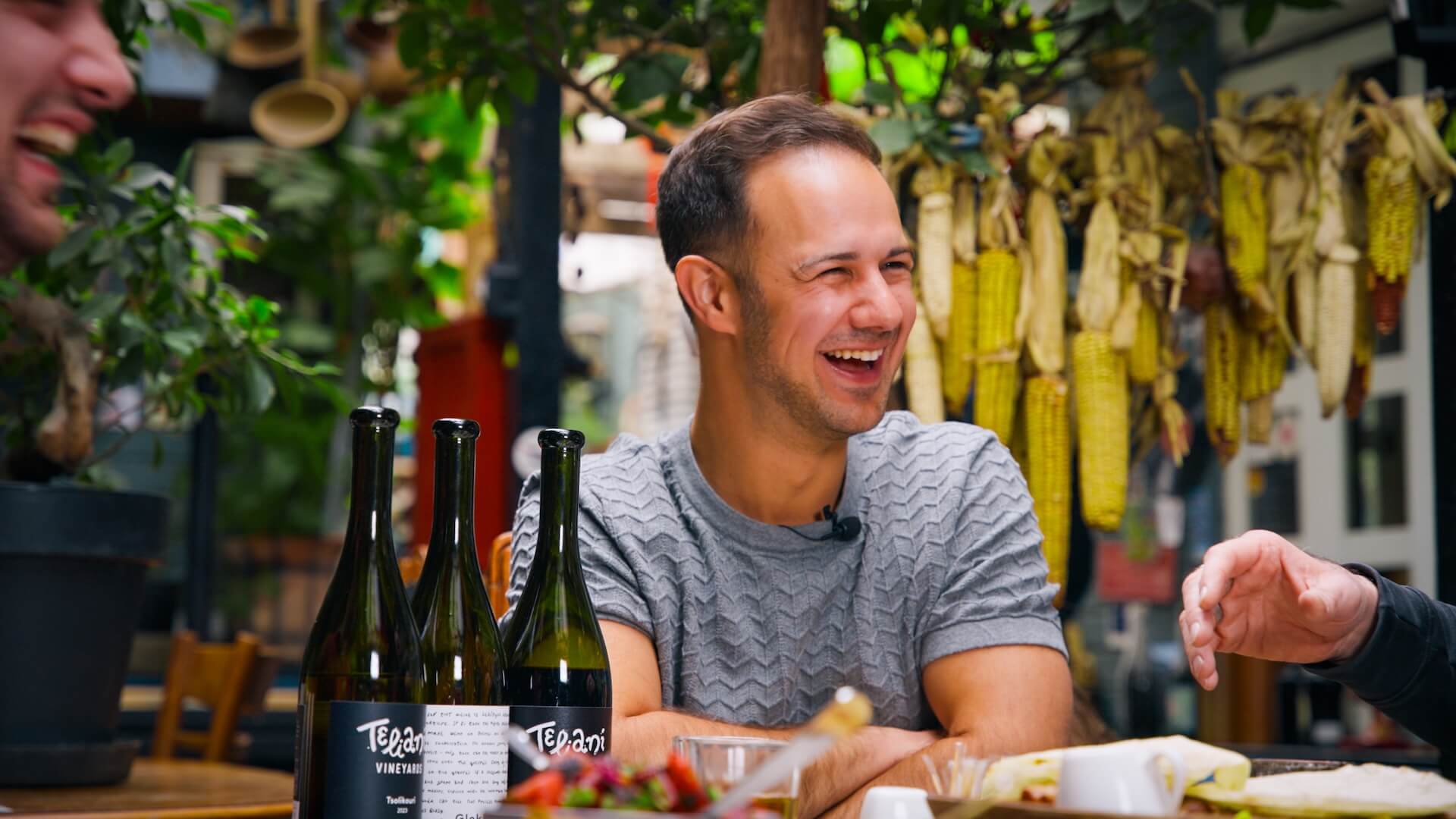
I discovered this while tasting Tamani Winery’s Tsolikouri… grown at 750 meters. Same grape, new dimension. The vines grow on a mix of brown forest and raw humus calcareous soils.
Guria
As someone with Gurian roots, it makes me especially proud to see indigenous Gurian varieties represented.
Work is never finished, of course, but one thing is clear: Chkhaveri is not going anywhere. Zura Topuridze from Iberieli, Davit Kobidze from Kobidzeebis Marani, and Gia Jamberidze from Gia Jamberidze's Family Cellar are doing everything possible to keep white Kamuri, Chkhaveri, and Tsolikouri accessible and alive.
Samegrelo
Only one winery represented this beautiful western region Martvili’s Marani. But Zaza’s wines carried the region with confidence. Especially memorable: Ojaleshi and Ochakoshi (a blend of Ojaleshi, Orbeluri Ojaleshi, and Aladasturi).
Imereti
Since Imereti hosted the festival, they came ready. And it showed.
Gaioz Sopromadze’s Marani - It’s rare to see a label that both makes you want to taste the wine and instantly burn the winemaker’s name into your memory. (Huge credit to the designer.)
Rero Winery – I met them last week in Tbilisi at the Sparkling Wine Festival. They had just started producing pét-nat, and they told me that their signature wines were the traditional Imeretian varieties Tsitska, Tsolikouri, and Krakhuna. And indeed, that turned out to be true: one week later, I found myself standing right next to them in Imereti, tasting Imeretian wine - I nearly even bursted into song… Rerooo… The thing is, after exhausting work, our winemakers would sit down at an Imeretian feast and often sing their favorite Imeretian song, Rero. Yes, the name of the winery comes from the song.
Mshvenieradze Winery - Winemaking in Imereti falls somewhere between European and Kakhetian traditions – Mshvenieradze Winery is no exception. They follow short maceration periods compared to Kakhetian methods (Imeretian wines tend to be lighter, more delicate, and fruit-driven) and ferment the wine on up to 30% of the grape skins.
Dimi’s Ferdobi - Chrelashvili Family Wine Cellar offers a wide range of Western Georgian varieties: from dry to semi-dry to semi-sweet, whites and reds. At the festival, the Tsolikouri (white) - Dzelshavi (red) cepage was the newcomer.
Minadze's Marani Phersvi – The Minadze family makes qvevri wines from Imeretian grapes: Tsitska, Tsolikouri, Krakhuna, Dzelshavi, and Otskhanuri Sapere. Fun fact: the tradition of winemaking was founded by their great-grandfather, who brought a mechanical grape crusher from France. He was the first in Georgia to start producing local replicas, and most importantly, they still use the grape-crushing machine he made to this day.
Imereti was in top form.
Kakheti
Let’s begin with Zurab Kviriashvili Vineyards.
Zura was one of the first to use the shape of a qvevri as his label design and his Rkatsiteli, Mtsvane, and Saperavi earned their reputation quickly.
Tedo's Marani deserves special mention for championing the rare indigenous white grape Buera. Their experimental and classic blends stood out too: Rkatsiteli–Mtsvane, Tavkveri–Buera, Tavkveri, and Budeshuri Tsiteli.
Then comes Lagvani and here we must pause. Akhmeta is considered the birthplace of Kisi, so here we were, right in the Akhmeta micro-zone, tasting a qvevri-fermented and 2.5-year qvevri-aged white dry Kisi...
From Akhmeta Wine House, another Kisi also hails from the same area — this time fully fermented on skins in qvevri, then aged in oak.
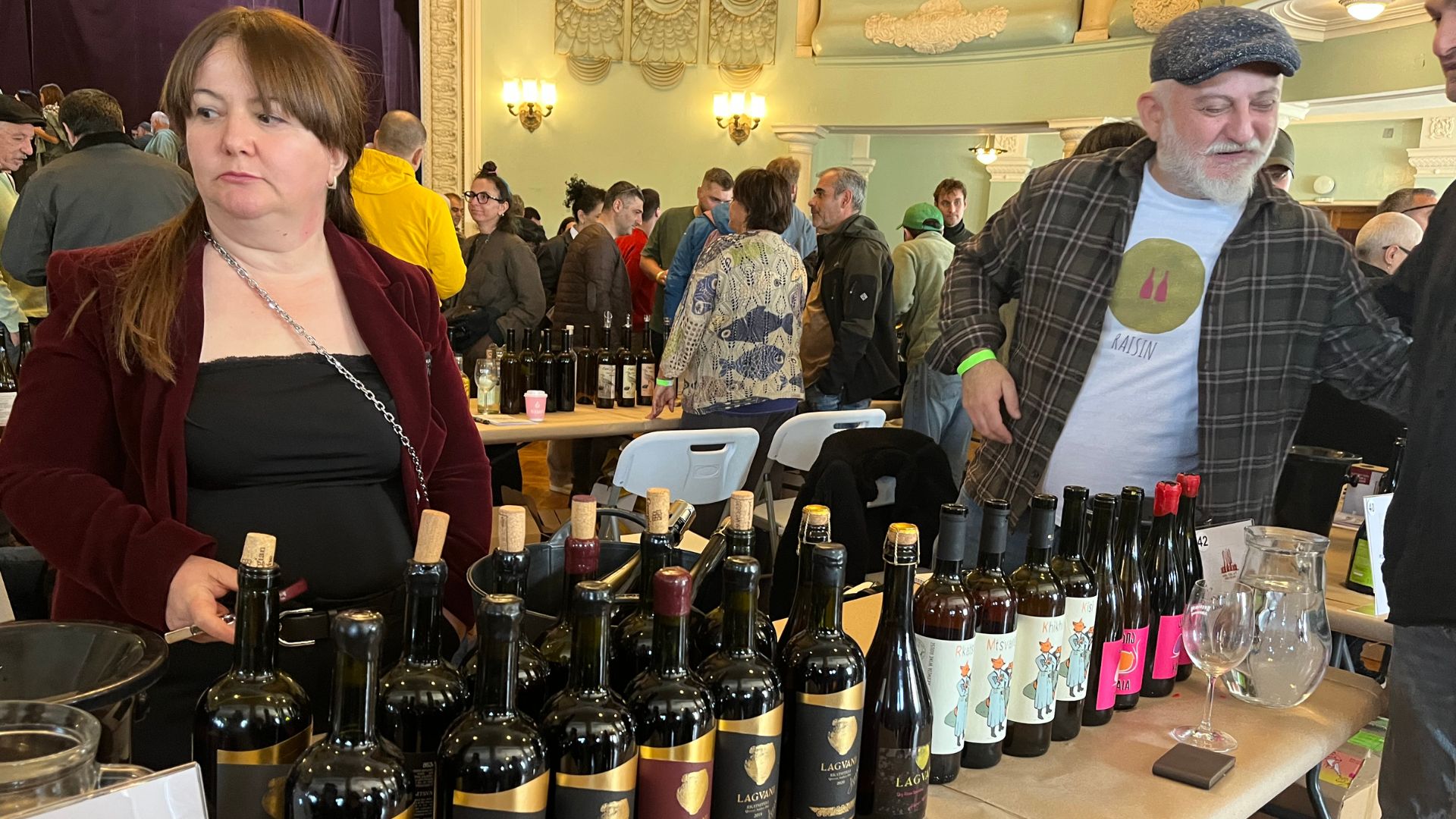
And no, I did not miss Andria’s Kisi and Khashmi’s Saperavi.
Nearby, Juso’s Winery offered an impressive range.
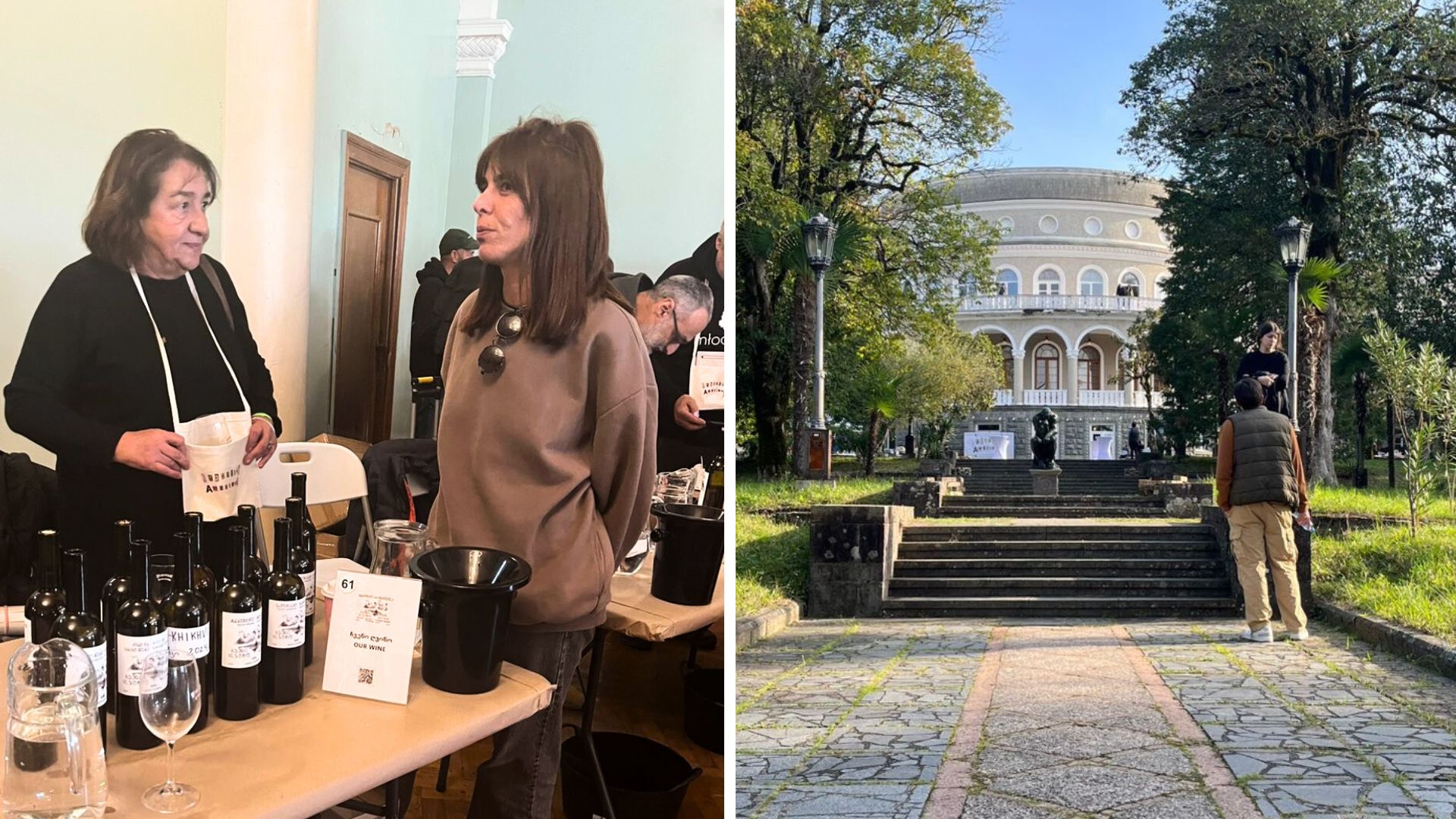
Soliko Tsaishvili’s family and friends (Our Wine) continue his work with dignity and passion. Many people in Georgia still don’t realize the festival is named after him.
For the first time, I met Do Re Mi Wine — Irakli Davitaia’s Chinuri was a standout.
Then Chona’s Marani, Davit Gremelashvili’s Rkatsiteli, and many more I could list.
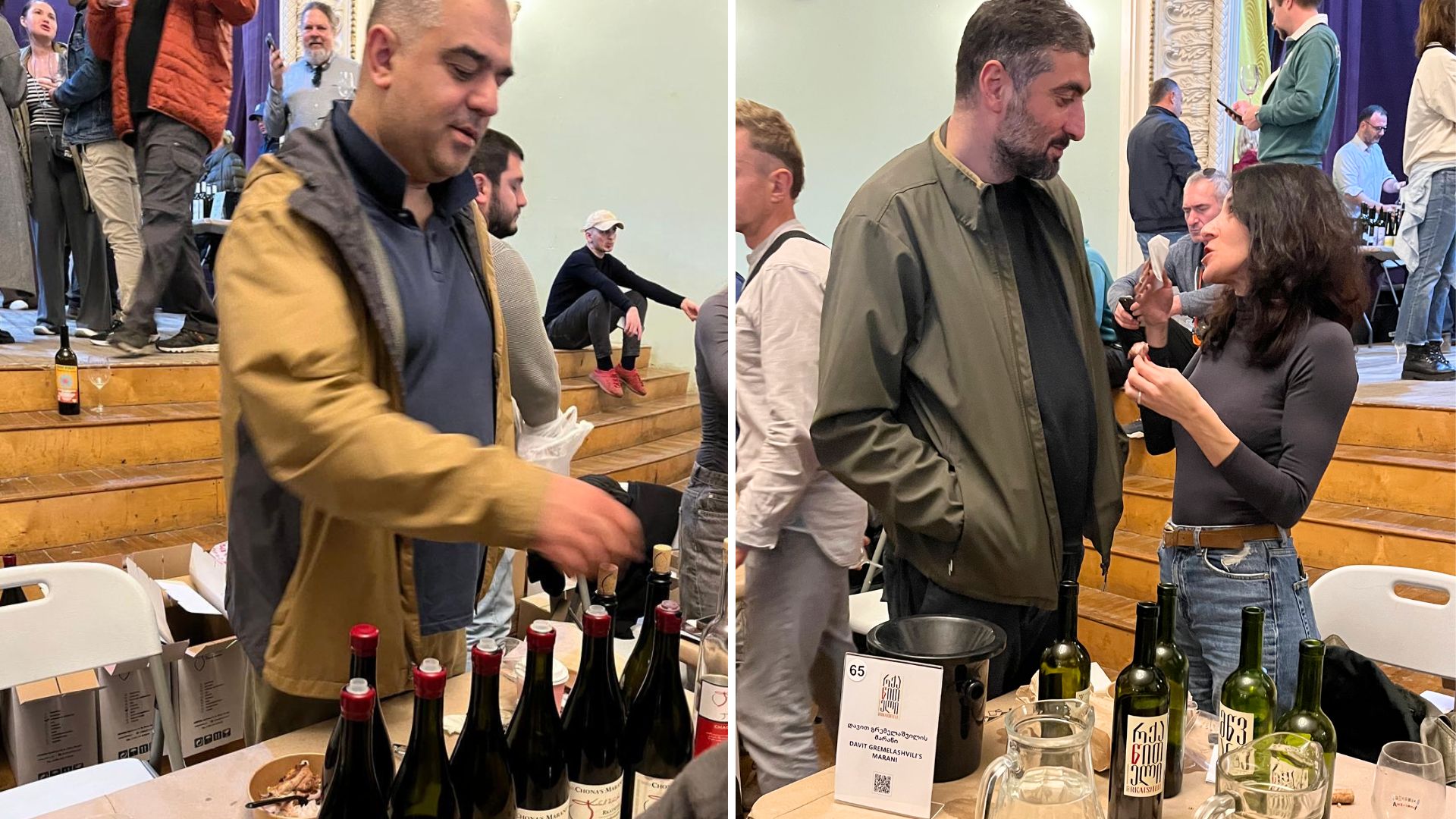
A late arrival but absolutely essential: Martali Wine (“True Wine”). The festival would have felt incomplete without them.
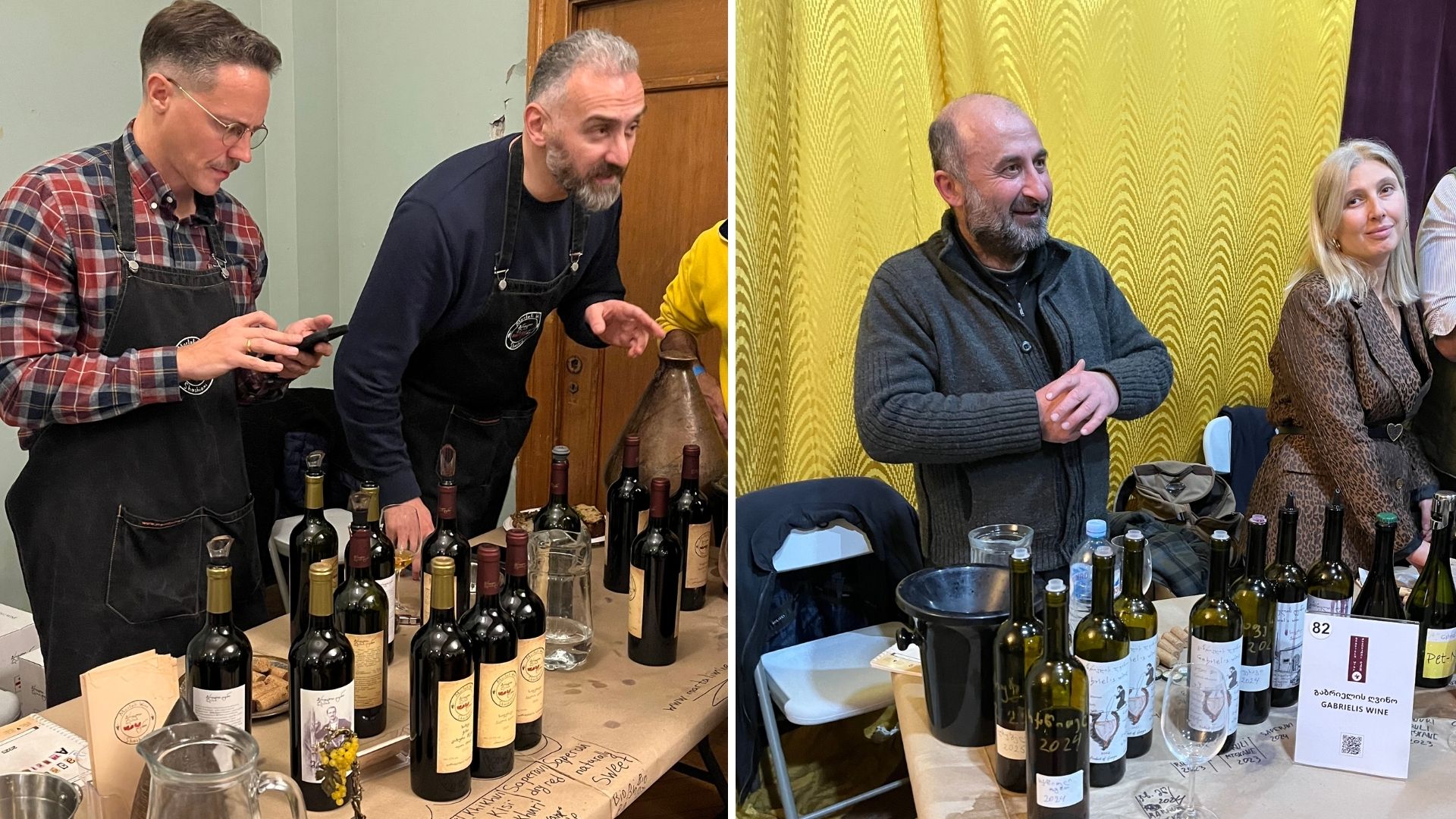
And finally, one more indigenous gem: Ghrubela from Gabriel’s Wine. Thank you, Father Gabro.
The festival ended at 6 p.m., and even though I arrived at the hotel in the evening, I couldn’t fall asleep until late… I kept taking notes, remembering, and thinking about how much these people have accomplished. And I wondered — how can I help them in return?